Mariana and her team were fantastic to work with. Responsive, understanding, and organized. Most importantly the quality of the work is exceptional. I am tremendously proud to be represented by the branding that Design Etiquette created for my business.

Brandon Chillingworth — Hacked BD

Attention Is Not The New Gold

— Attention Is Not The New Gold — Attention Is Not The New Gold

Branding, Brand Identity, Strategy

Attention Is Not The New Gold

Most people are playing the wrong game.

They think it’s about attention.
It’s not.
It’s about perception.

Because attention without perception is useless.

You can get thousands of eyes on your brand…
but if the perception is wrong, that gold turns into lead.

Over the years I’ve worked with many companies at different stages.

Some start from zero.
Others already have a visual identity.
And in many cases, when I look at what they already have, I can’t help but think:
Is this actually bringing them clients?

The logo looks generic.
The website is unclear.
The brand identity looks like a half-finished version of something they saw on Pinterest.

And the uncomfortable truth is this:
In some niches, you can get away with bad design.
If you ask most marketers, they might even say that sometimes ugly converts better.

But in others?
Design is non-negotiable.

If you’re in SaaS, Web3, or consumer brands, design isn’t a nice-to-have.
It’s the entry ticket.

Because good design is good perception.
And perception and attention should go hand in hand.

Strong branding warms people up before you ever speak to them.
A weak one creates friction before trust even has a chance.

But design works at a primal level.
It triggers a yes or a no in seconds.
Before logic.
Before pricing.
Before features.

That’s the perception game.

Attention gets you seen.
Perception gets you chosen.

——-

If you’re building a brand and feel your visual identity isn’t creating the right perception, feel free to reach out.

Strong perception is rarely accidental. It is designed.


Mariana and her team were fantastic to work with. Responsive, understanding, and organized. Most importantly the quality of the work is exceptional. I am tremendously proud to be represented by the branding that Design Etiquette created for my business.

Brandon Chillingworth — Hacked BD

Simplicity Scales While Complexity Fails

— Simplicity Scales While Complexity Fails — Simplicity Scales While Complexity Fails

Branding, Brand Identity, Strategy

Why Simplicity Scales, But Complexity Fails

Ever feel like the simplest things are the hardest to execute?

I’ve been thinking a lot about simplicity: creating systems, refining processes, and making things leaner.

Here’s the truth: Especially in branding, simplicity is everything.

The Problem?

Branding often starts with overwhelming amounts of data: market research, brand strategy, business goals… the list goes on. At first glance, it can be a messy pile of information.

The Insight:

A good branding team will take all this complexity and distill it into something simple and digestible. But we go a step further. We take this distilled information and design brands that are both simple and strategically aligned with the market.

But here’s where it gets tricky: Simplicity is deceiving.

Even as an experienced brand designer, I’ve found myself thinking, “That brand looks so simple, it must’ve been easy to create.” But when I dig into it, I realize just how much work went into making it feel effortless.

Think of it like watching an athlete run through an obstacle course. From the outside, it seems like a breeze. But behind that effortless performance is years of training, research, and practice.

The Takeaway?

Simplicity requires mastery. It’s not about cutting corners. It’s about refining and perfecting a process until it feels effortless.

As Leonardo da Vinci said, “Simplicity is the ultimate sophistication.”

So, the next time you see a simple, clean brand, remember: behind it is countless hours of strategy and design. True professionals make complex things feel easy.

——-

Get in touch if you’re ready to create your next branding project.


Mariana and her team were fantastic to work with. Responsive, understanding, and organized. Most importantly the quality of the work is exceptional. I am tremendously proud to be represented by the branding that Design Etiquette created for my business.

Brandon Chillingworth — Hacked BD

Break the Rules with Packaging Design

— Break the Rules with Packaging Design —Break the Rules with Packaging Design

Branding, Packaging Design, Strategy

Stop asking “What should my packaging look like?”
Start asking: “What is everyone else afraid to do?”

Packaging that stands out doesn’t happen by accident.
It happens when brands decide to start doing what everyone else isn’t.

It all begins with deep market research:

– What are your competitors doing?
– What do customers expect?
– What is deadly overused?

Then—break the pattern.
The brands that disrupt their market aren’t the ones who blend in…
They’re the ones willing to walk the fine line of risky business.

Here are a few brands that ignored the rules and built a category of their own:

RXBAR

In a niche cluttered with “performance” claims, RXBAR chose simplicity.
Their packaging lists the core ingredients on the front. That’s it.
A design so simple it looks like it could have been made in Canva—but it works.
Result: They grew from ~$2 million to ~$160 million in revenue, and were later acquired by Kellogg’s for ~$600 million.

Graza

Olive oil is traditionally all about glass bottles, dark labels, and gold foils.
Graza zigged when everyone else zagged:
Squeeze bottles, bold type, playful illustrations.
I’m not sure if Nonna would be proud, but Graza generated over $4 million in sales in its first year, jumped to nearly $20 million by end of year two, and is now projected to reach $48 million in 2024.

Cloud 23

In a category full of flames, chilis, and skulls, Cloud 23 flipped the script.
The bottles—created by Brooklyn Beckham—look like luxury perfume, not hot sauce.
The brand leans into “every meal = celebration” rather than “burn your tongue” heat.
It’s a product you display in your kitchen, not hide in your pantry.

Who Gives A Crap

Turning toilet paper from zero to hero is genius. They donate 50% of their profits to water, sanitation & hygiene causes globally. Using modern graphics, a bold name, and a great brand story, they have turned their company into a brand generating £45.5 million in revenue in 2024.

Each one of these brands took a risk.
Each one broke a rule.
And each one built a brand people talk about.

If you want your packaging to stand out, design bravely.
Design with intention.


Mariana and her team were fantastic to work with. Responsive, understanding, and organized. Most importantly the quality of the work is exceptional. I am tremendously proud to be represented by the branding that Design Etiquette created for my business.

Brandon Chillingworth — Hacked BD

Why Every Business Needs a Brandverse

— Why Every Business Needs a Brandverse — Why Every Business Needs a Brandverse

Branding, Brand Identity, Strategy

Let’s talk about something that goes beyond logos, packaging, or even products. Something that transforms the way people experience your business: the concept of a Brandverse.

What is a Brandverse?

Technically, “Brandverse” is a concept I made up, but it captures something essential in branding and business.

A Brandverse is your brand’s universe, a world where every element: from visual identity and web design to messaging and customer touchpoints, works together to create a seamless, immersive experience.

Think of it this way: every brand has touchpoints. These are the moments when a customer interacts with you, whether through ads, social media, packaging, or your website. But when those touchpoints are connected and designed with intention, they don’t just communicate, they transport your audience into a world they want to belong to.

Why It Matters
When done right, a Brandverse goes far beyond traditional branding. It builds loyalty, strengthens your brand identity, and transforms casual buyers into dedicated fans. It creates a customer experience that feels more like an experience than a transaction.

Imagine it like a movie: your brand is the main character, and your customers are not just supporting roles, they’re part of the adventure. Your branding, website design, and marketing strategy are all tools to bring that story to life.

Let’s explore a few brands that have mastered the art of creating unforgettable Brandverses. Can you guess who they are?

Example 01:

Imagine stepping into a bright, modern world where tech gadgets steal the spotlight. Sleek devices take center stage, while knowledgeable staff in blue shirts act as your helpful sidekicks. The space feels obsessively clean, free of distractions, and even offers workshops to help you master their products. The checkout process? So seamless, you’ve just spent $2,500 in seconds, and you’re thrilled about it. You are in an Apple store, and this is their Brandverse.

Example 02:

The smell of freshly brewed coffee and baked cookies wraps around you like a cozy blanket. They want to know your name, and when things take a little longer, they make it up to you with a free cupcake. You grab your laptop and sit in a cozy spot where no one bothers you, just the quiet hum of ambient music. You feel pampered. Welcome to the Starbucks Brandverse.

Example 03:

You step into a magical kingdom. You see castles, smell cotton candy, and hear laughter everywhere. Each corner offers its own enchanting experience, from fairy tale lands to thrilling adventures. You’re surrounded by countless stores, each offering the coolest things and tastiest treats. Everywhere you look, people are enjoying themselves and taking photos with their childhood favorite characters. You’re having an amazing day! You’re at Disney World, the ultimate Brandverse.

Example 04 / Bonus:

You’ve clicked into a visually stunning website. It’s filled with amazing photos, easy to navigate, and gives you a warm feeling in your stomach. The shopping process is effortless. But the real magic happens a few days later, when you unbox your order and find unexpected little gifts, like stickers and postcards. You can feel the love from Rifle Paper Co.

I chose this bonus example as a reminder that not every Brandverse needs a physical space, and you don’t need to be a massive company. Rifle Paper Co. proves this with its online presence and thoughtful product experience. They’ve mastered the art of Brandverse building, aka branding.

These brands demonstrate that a strong brand experience isn’t just about big budgets—it’s about details that make your customers feel special.

How to Build Your Own Brandverse

Not every business has Apple or Disney’s resources, but any brand can take steps to create a more immersive and memorable experience. Here are some actionable ways to start shaping your Brandverse:

  • Unify your brand identity: Make sure your logo, typography, and visuals are consistent across your website, packaging, and social media.

  • Invest in web design: Your website is often the first stop in your Brandverse. Keep it responsive, user-friendly, and aligned with your brand’s story.

  • Personalize interactions: From knowing your customers’ names to thoughtful packaging, small details build emotional connections.

  • Listen to customer feedback: A great Brandverse evolves with its audience. Adapt and improve based on real insights.

  • Have a recovery plan: Mistakes happen, but a thoughtful gesture (like Starbucks’ free cupcake) can turn problems into loyalty-building moments.

A Brandverse isn’t just about selling products; it’s about creating an unforgettable experience that customers want to return to again and again.

Ask yourself: is your brand just a product, or is it a whole universe your customers want to be a part of? Remember that every interaction is an opportunity to enhance your Brandverse. 


Mariana and her team were fantastic to work with. Responsive, understanding, and organized. Most importantly the quality of the work is exceptional. I am tremendously proud to be represented by the branding that Design Etiquette created for my business.

Brandon Chillingworth — Hacked BD

Brand Colors for Health-Focused Brands

— Brand Colors for Health-Focused Brands — Brand Colors for Health-Focused Brands

Branding, Packaging, Strategy

Why Colors Matter for Health Brands: A Guide to Choosing the Right Palette

When it comes to branding for health brands, colors are more than just an aesthetic choice — they play a powerful role in shaping how customers feel about your brand. In fact, the colors you choose can influence perceptions and even build trust, especially if your brand focuses on health, wellness, or natural products.

Why Color Matters for Health Brands

Health brands have a unique mission: to communicate trust, cleanliness, and commitment to natural or high-quality ingredients. Choosing a color palette that resonates with these values is essential for creating an emotional connection with health-conscious customers.

While typical food brands might use bold colors like reds, yellows, and oranges to create a sense of energy or excitement, these colors are often associated with heavily processed or fast foods. Health brands usually go in a different direction to highlight their focus on wellness and purity.

Best Colors for Health Brands

So, what colors should health brands use? Here are some popular choices and the messages they convey:

  • Greens: Green is a popular choice for health brands because it represents nature, freshness, and health. This color can help communicate that your brand uses natural ingredients or promotes sustainability.
  • Earth Tones: Browns, beiges, and other earthy colors are also common in branding for health brands. These tones convey simplicity, wholesomeness, and a close connection to nature.
  • Soft Blues and Whites: For brands in the wellness or medical space, soft blues and whites can add a sense of calm, purity, and professionalism.

How Colors and Typography Work Together

Beyond color, the typography and packaging for health brands also play a key role. Where regular food products might use bold, chunky typography, health brands often benefit from more delicate, clean typefaces that convey simplicity and authenticity.

By combining a soft color palette with subtle typography, your brand can create a cohesive look that communicates trustworthiness, aligns with health-conscious values, and makes your products easily recognizable on the shelf.

Tips for Creating Impactful Packaging for Health Brands

  1. Prioritize Color Psychology: Choose colors that reflect the values of your health brand. Think about the feelings you want to evoke in your customers — calmness, purity, and trustworthiness are great goals for health brands.
  2. Consider Your Audience: Health-conscious consumers are looking for brands they can trust. Using natural tones and simple design elements in your packaging can make your brand feel more genuine.
  3. Consistency is Key: Be consistent with your color choices across all branding, from packaging to website and social media. This creates a recognizable brand identity that builds trust over time.

In today’s market, branding for health brands goes beyond the product itself — it’s about creating an experience and a relationship with your audience. By carefully selecting the right colors and packaging elements, health brands can connect with their target customers, build loyalty, and stand out in a crowded market.

Need help with color selection or packaging for your health brand? Our team can help create a unique brand identity that resonates with your audience and sets you apart.


Mariana and her team were fantastic to work with. Responsive, understanding, and organized. Most importantly the quality of the work is exceptional. I am tremendously proud to be represented by the branding that Design Etiquette created for my business.

Brandon Chillingworth — Hacked BD

We won a silver LAD Awards

— We won a silver LAD Awards — We won a silver LAD Awards

Awards, Publications

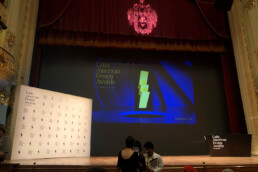
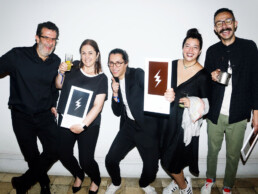
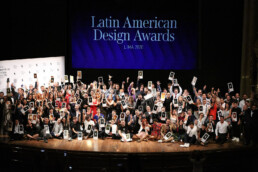
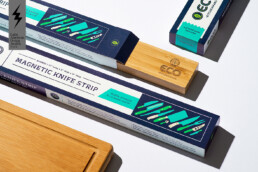
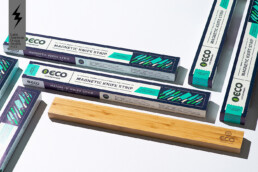
We are excited to announce that Design Etiquette has won a silver award at the Latin American Design Awards, the most important design competition in Latin America!

The LAD Awards celebrates the best of design from around the region with some of the biggest studios awarded. The jury is made up of leading designers in their field. We strive to be excellent at our craft, delivering high-end design solutions for our clients, and it is an honor for us to be recognized among our peers and alongside other studios, we respect and admire. This award will inspire us to continue pushing the boundaries and help make the world a better place with design.
Mariana and her team were fantastic to work with. Responsive, understanding, and organized. Most importantly the quality of the work is exceptional. I am tremendously proud to be represented by the branding that Design Etiquette created for my business.

Brandon Chillingworth — Hacked BD

Not Just a Label

— Not Just a Label — Not Just a Label

Creativity, Packaging Design

How the design of a bottle label changed the history of Iceland’s most iconic drink.

Some years ago I met a group of friendly, and good looking, people from Iceland. They bragged about their pure water resources, wild horses, volcanoes, and beautiful country, while I bragged about Costa Rica’s nature, wild monkeys, volcanoes, and beautiful country. During our time together we shared and compared different parts of our culture: photos, believes, legends, food and drinks. Conversations turned into a passionate fight of Tuleviejas vs Trolls, Gallo Pinto vs Hakarl, and Guaro vs Brennivin.

Brennivin, that’s the name of Iceland’s famous drink, a liquor made out of potato and caraway (and don’t ask me what caraway is) that contains 37.5% alcohol, therefore its nickname “Black Death”. Design legend has it that around 1935 the government tried to make the bottle label less appealing in order to dissuade Icelanders from consuming alcohol. Their new black and white redesign caused the total opposite: sales skyrocket and, to this day, the drink with its beautiful and simple label still gives people the worst hangovers.

As a passionate designer, I kept the bottle as a souvenir of the great time I had, and as a reminder of the power that design has over a product, brand, and even the collective conscience of a country.

Cheers to good design and delicious Brennivin!


Privacy Preference Center